Activity 2
Community Dialogues: Exploring ChemSex and Sex Addiction
Your Journey to a Fulfilling Life
Services
Personal Coaching
Personal Coaching
Transform your life and achieve your goals with professional and personalized support.
Strengthening the Competences of Communities
that need awareness on chemsex and sex addiction.
Objectives
To increase public awareness and understanding of chemsex and sex addiction through accessible community-based learning activities.
To reduce stigma and misconceptions by creating safe spaces for dialogue, discussion, and shared learning.
To give visibility to personal experiences of individuals affected by chemsex and sex addiction, as well as their allies.
To provide communities with expert knowledge, guidance, and practical resources through specialist-led sessions.
To promote deeper understanding, empathy, and community engagement through interactive discussions, Q&A sessions, and workshops.
To encourage harm reduction and recovery-oriented thinking at community level.
To strengthen local support environments by involving community members, professionals, and organizations in open dialogue.
Activities
1. Awareness Building Video Pills: Providing information on the intersection of substance use and sexual behaviour and on the impact of chemsex and sex addiction through short and educational videos.
2. Sharing Personal Experiences: Creating space for individuals affected by chemsex and sex addiction, and their allies, to share challenges, experiences, and successes in a supportive environment.
3. Expert Insights Session: Inviting guest speakers such as healthcare professionals, counsellors, and people with lived experience. Hosted in Germany with 3 experts.
4. Interactive Awareness European Resort: A 5-day awareness resort in Tenerife, Spain on March 2026. Includes interactive discussions, Q&A sessions, and workshops to address misconceptions, concerns, and questions. Involved 9 specialists, youth workers, and therapists.
5. National Promoting Harm Reduction and Recovery Circles: National events focused on harm reduction strategies, treatment options, and pathways to recovery. At least 10 participants per country gathered.
Results
Increased awareness of the links between substance use, sexual behaviour, and physical, mental, and social well-being.
Reduced stigma and improved understanding of chemsex and sex addiction among the general public and relevant stakeholders.
Greater visibility of lived experiences helping communities better understand the human dimension of these issues.
Improved access to expert insights, guidance, and online learning resources.
Stronger empathy and more informed community discussion through interactive awareness activities.
Increased understanding of harm reduction strategies, treatment options, and recovery pathways.
Stronger community support networks for individuals affected by chemsex and sex addiction.
Video 1
Video 2
Video 6
Results of Sharing Personal Experiences
The activity was implemented through semi-structured interviews and anonymous testimonials in the partner countries. Participants shared their experiences, observations and reflections in safe, respectful and non-judgmental settings. The aim was not to expose individuals, but to better understand the human realities behind ChemSex and addiction, especially the emotional, social and psychological factors that are often hidden behind stigma.
The collected experiences showed that ChemSex is often more complex than it appears from the outside. Participants and interviewees linked it to themes such as loneliness, trauma, anxiety, shame, identity, social pressure, emotional pain and the search for belonging.
In the German interviews, ChemSex and drug-related environments were described as being connected not only to nightlife or partying, but also to emotional escape, mental health struggles, self-worth, relationships and fear of judgment.
The Spanish testimonial activity, conducted by SOLAR Association, collected anonymous reflections from 11 adult male participants with direct or recent experience in ChemSex contexts. These testimonials highlighted recurring themes such as the search for connection and belonging, emotional ambivalence, coping and escape, and awareness of long-term risks. Participants described ChemSex as something that can feel freeing or connecting in the moment, while later bringing emptiness, questions, isolation or concern about control.
The Turkish interviews added a direct personal perspective on how ChemSex can gradually become difficult to control. The participants described how it initially provided confidence, acceptance and relief from loneliness, but later affected mental health, self-worth, friendships, dating, work routines and emotional stability. The interviews also underlined the importance of queer-friendly support groups, therapy and non-judgmental conversations.
Across all partner countries, the activity showed that shame and stigma remain major barriers to seeking support. Many people do not ask for help because they fear being judged for their sexuality, substance use, addiction or mental health struggles. The findings therefore point to the need for safer spaces where people can speak openly, receive accurate information and access support without fear.
The activity also confirmed the importance of harm reduction, peer support, professional counselling, emotional regulation and community dialogue. Listening to lived experiences helped the project move beyond stereotypes and better understand what kind of support people may need: empathy instead of blame, guidance instead of silence, and realistic pathways toward recovery and well-being
Through Sharing Personal Experiences, the project created space for honest dialogue, reduced stigma and strengthened one central message: healing begins when people feel safe enough to be heard.
Results of Expert Insights from Germany
Three experts from Germany came together to exchange their knowledge on chemsex and share insights on the topic based on their experiences.
The session brought together expert perspectives to discuss what ChemSex and sex addiction mean beyond visible behaviour. A central point raised during the session was that these issues are often misunderstood as a simple matter of personal choice or lack of self-control. However, the experts emphasized that ChemSex and sex addiction may be connected to deeper factors such as trauma, loneliness, anxiety, depression, emotional pain and unresolved mental health struggles.
The experts also discussed the risks connected to ChemSex and addiction from a holistic perspective. They highlighted that the impact may affect the whole person: physically, mentally and socially. Possible risks include infections, overdose, exhaustion, sleep deprivation, anxiety, depression, emotional instability, dependency, isolation, relationship difficulties and problems in daily routines or working life. The session underlined that a person may appear functional from the outside while experiencing serious internal distress.
Another key focus of the session was the importance of a non-judgmental and supportive response. The experts stressed that blame, criticism or dismissive comments can increase shame and make it harder for people to seek help. Instead, support should begin with careful listening, empathy and respect. Practical guidance is also essential, including referral to counselling, therapy, testing, harm reduction services and peer support.
The session also explored early warning signs that someone may need support. These may include loss of control, increased substance use, repeated risky behaviour, emotional instability, shame, mood changes, anxiety and withdrawal from others. The experts emphasized that early support can help prevent more serious harm and create safer pathways toward recovery and well-being.
A major barrier identified during the session was stigma. Many people stay silent because they fear being judged, discriminated against or misunderstood. In some cases, people do not know where to seek help, which makes access to support even more difficult. For this reason, the experts highlighted the need for clearer information, more accessible services and safer environments where people can speak openly.
The session also presented examples of support structures at different levels. At national level, organisations such as EVE & RAVE, Aidshilfe and pudelwohl were mentioned as examples of outreach, sexual health education, counselling, anonymous testing and harm reduction support. At European and international levels, organisations such as AIDS Action Europe, the European AIDS Treatment Group, the European Union Drugs Agency, WHO, UNAIDS and the United Nations Office on Drugs and Crime were discussed as important actors in awareness, cooperation, prevention, advocacy, research and public health policy.
Overall, the Expert Insights Session in Germany strengthened the project’s understanding of ChemSex and sex addiction as complex public health and psychosocial issues. The session showed that effective support requires more than awareness alone. It requires inclusive services, harm reduction, mental health care, peer support, professional knowledge and community spaces free from judgment.
Through this activity, the project reinforced a central message: people affected by ChemSex and addiction need understanding, guidance and access to the right support, not blame or silence.
Results of Interactive Awareness European Resort
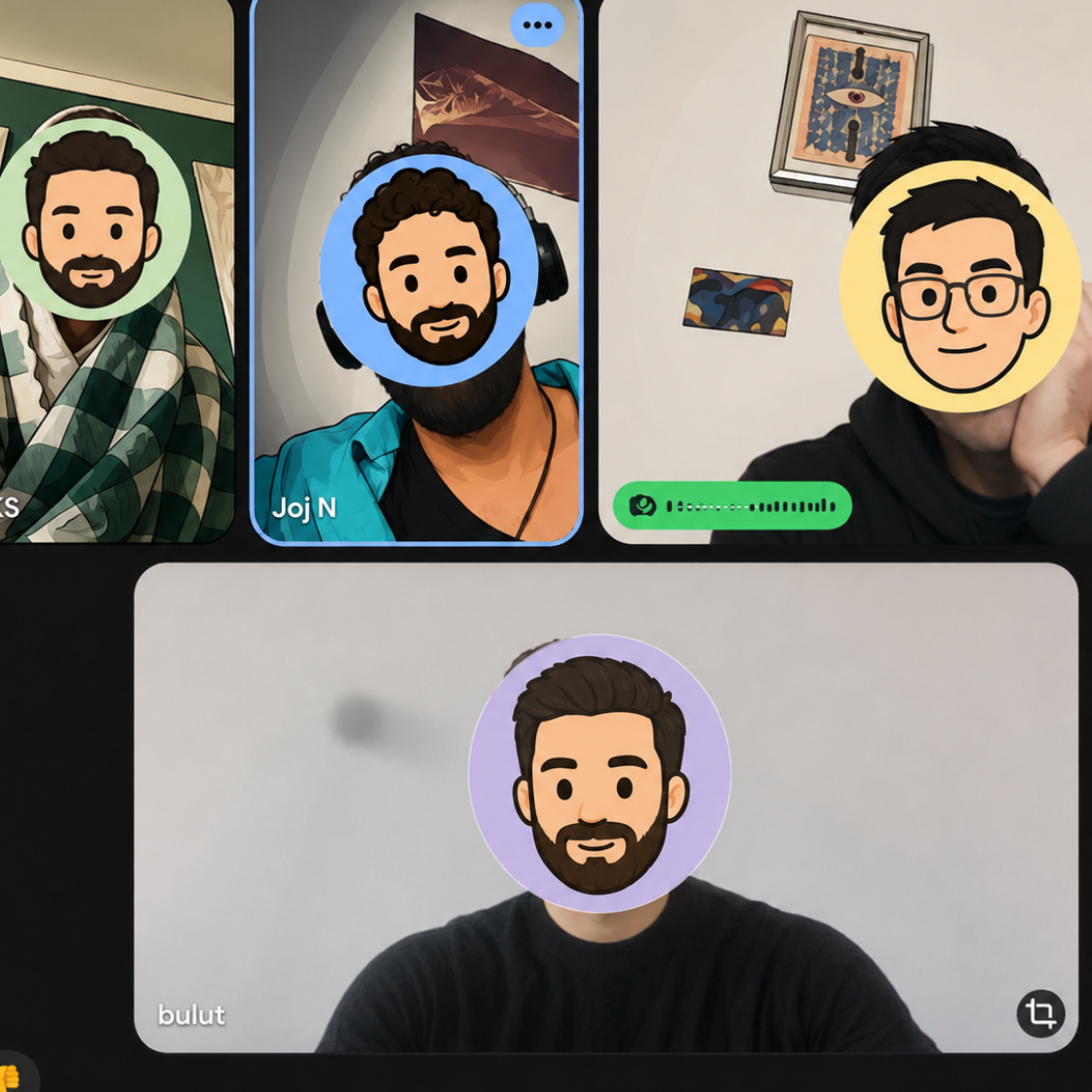
As part of A2. Community Dialogues: Exploring ChemSex and Sex Addiction, the Pathways to Healing project implemented the Interactive Awareness European Resort in San Isidro, Tenerife, Spain, from 11 to 15 March 2026. The activity was hosted in Tenerife, and brought together project partners from Germany, Spain and Türkiye.
The Resort was designed as an interactive learning, reflection and cooperation space where participants could explore ChemSex and addiction from psychological, social, cultural and therapeutic perspectives. The programme combined project presentations, team-building activities, psychological input, working sessions, partner-led reviews, feedback sessions and therapeutic practice.
The first day focused on registration, introduction to the project, partner presentations, ice-breakers and team-building activities. Participants discussed the objectives and content of the training course and started building a shared learning environment. The day also included a psychological session on “ChemSex: What it is and what it does”, followed by the working session “What if I was in your shoes – how do I understand?” This session encouraged empathy, perspective-taking and deeper reflection on the lived realities behind ChemSex practices.
A key objective of the first working sessions was to explore the intersection of trauma, identity, sexuality and ChemSex practices, as well as how cultural transition and internalized stigma may shape emotional vulnerability. These discussions helped participants understand ChemSex not only as a behavioural issue, but also as a complex experience linked to personal history, social context, belonging and emotional needs.
The second day focused on “The Architecture of the Self: Personality Factors.” Led by SOLAR’s clinical psychologist and art therapist, this session introduced key personality models in clinical psychology and examined how personality traits may relate to substance use, risk-taking and ChemSex contexts. Participants also reflected on the relationship between individual traits and environmental factors, applying this knowledge to case formulation and support-oriented thinking.
On the third day, IYSEDA led a session reviewing Activity 1 and its intellectual outputs. Participants examined project progress, tested activities, gathered constructive feedback and reflected on the impact of Activity 1 with an international group. This helped partners assess how previous results could support the broader aims of awareness, professional competence and community dialogue.
The fourth day focused on Activity 2 and its intellectual outputs, together with report drafting for the National Agency. Led by KUBI, the session reviewed the final results of Activity 2, gathered feedback from participants and clarified reporting duties and requirements. This part of the Resort strengthened the project’s documentation, evaluation and sustainability process.
The final day included a working session on using art therapy and mind-and-body techniques for therapeutic purposes. Participants reflected on what they gained from the training, shared feedback, received certificates of participation and used the space for networking and future cooperation.
Overall, the Interactive Awareness European Resort in Tenerife created a meaningful transnational space for learning, dialogue and professional exchange. It helped participants better understand the psychological and social dimensions of ChemSex and addiction, while also strengthening cooperation between partner organisations.
Results of National Promoting Harm Reduction and Recovery Circles
The Recovery Circles focused on harm reduction, emotional well-being, addiction awareness, stigma reduction and recovery pathways. Each partner country adapted the activity according to its local context and target group, ensuring that the discussions responded to the real needs of participants.
In Germany, the activity brought together 18 participants, mainly youth workers and local professionals. The session focused on raising awareness about ChemSex, sex addiction and their possible effects on mental health, relationships, daily life and community work. Participants discussed the reasons behind addiction, possible warning signs and the importance of non-judgmental support when working with young people or vulnerable groups.
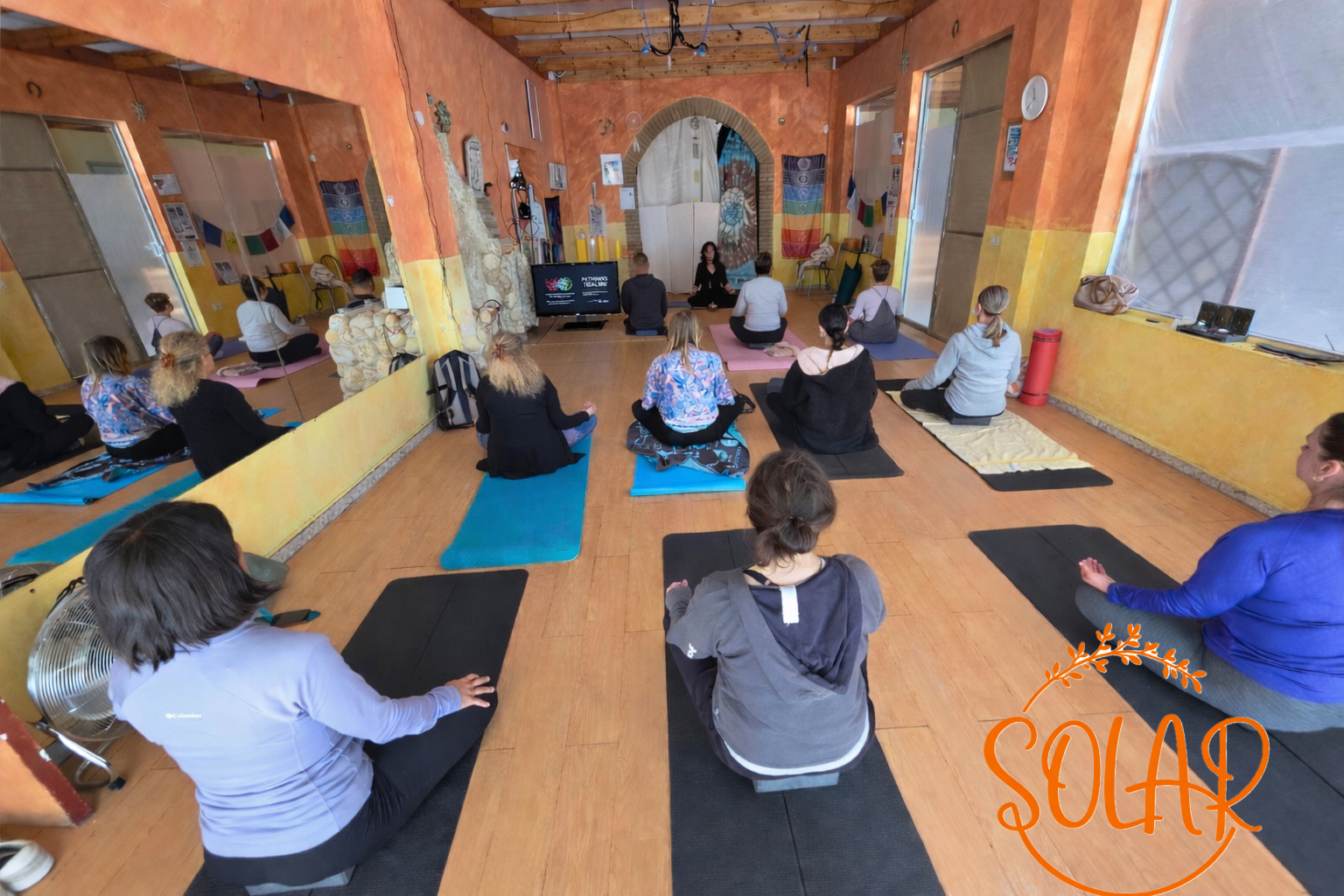
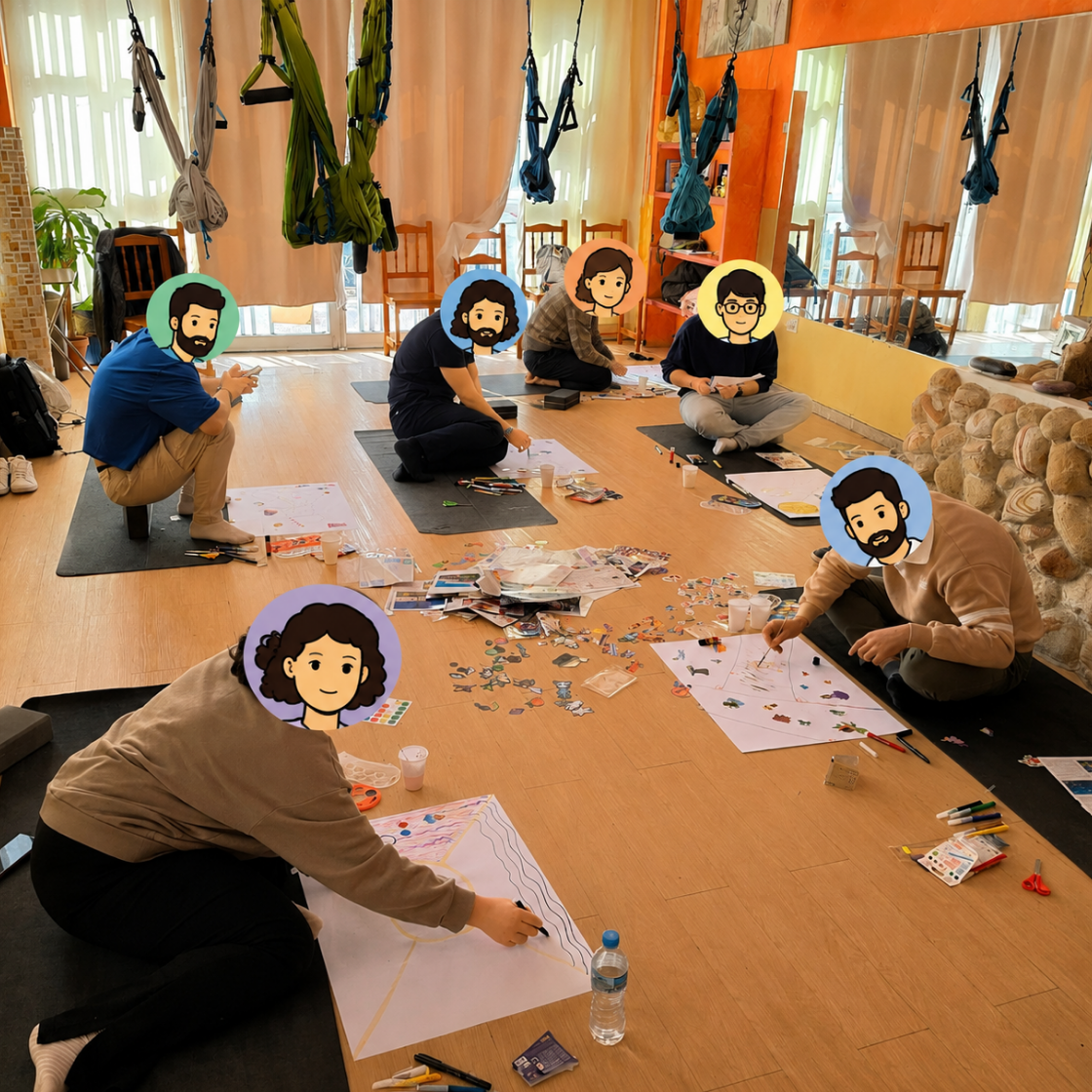
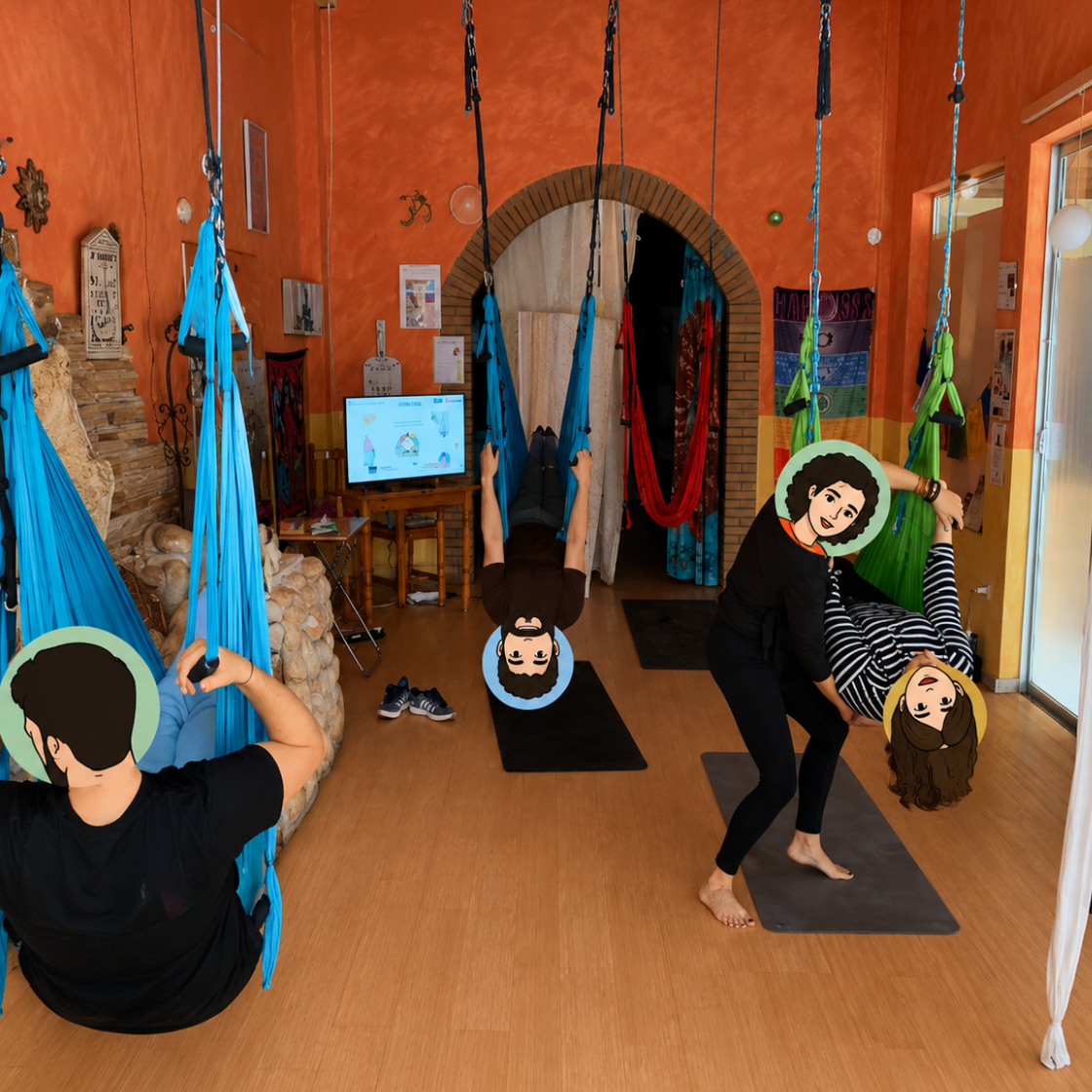
In Spain, 11 adult participants joined the activity. The session explored how cultural transition and internalized stigma can shape emotional vulnerability, especially in relation to sexuality, identity, shame and social pressure. The Spanish activity also used yoga-based practice as a supportive method to promote self-awareness, emotional balance, body connection and stress reduction. This approach helped participants reflect on how physical and emotional well-being can support resilience and recovery.
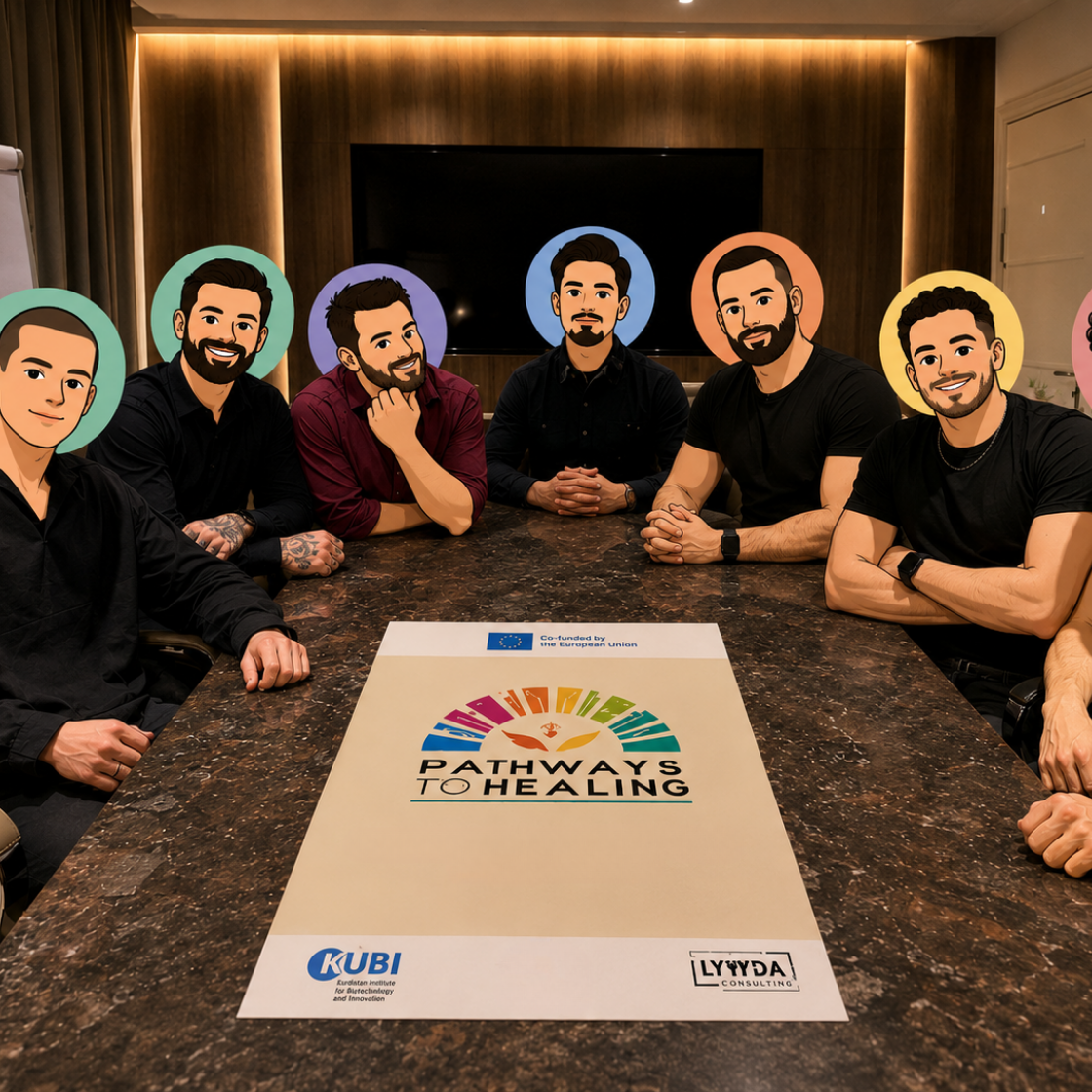
In Türkiye, the Recovery Circle was organised with 10 participants who regularly practice ChemSex. This activity created a direct space for people with lived experience to share insights about their realities, motivations, risks, emotional struggles and support needs. The Turkish session was particularly important for understanding ChemSex from the perspective of those directly affected and for identifying realistic harm reduction approaches.
Across the three countries, the activities showed that harm reduction is not only about preventing risks. It is also about listening without judgment, understanding emotional triggers, reducing shame, strengthening support networks and helping people access safer pathways toward recovery.
The National Promoting Harm Reduction and Recovery Circles contributed to the project by:
raising awareness among youth workers, adults and people with lived experience;
encouraging open dialogue about ChemSex and addiction;
exploring the links between stigma, identity, emotional vulnerability and substance use;
promoting practical harm reduction and recovery-oriented approaches;
supporting mental health, self-awareness and community-based care;
collecting local insights to strengthen the project’s future dissemination and support materials.
Overall, the activity demonstrated that each community needs spaces where people can talk openly, receive accurate information and feel supported rather than judged. The Recovery Circles helped transform sensitive topics into opportunities for learning, empathy and collective action.
Through the National Promoting Harm Reduction and Recovery Circles, the project strengthened one of its key messages: recovery begins with understanding, and harm reduction begins with human connection.